


The Complete Guide to Social Emotional Development Milestones by Age

Last Updated: October 25, 2026
Quick Summary
Social emotional development milestones by age are the predictable patterns of growth that help children recognize, express, and manage their feelings while building relationships with others. These milestones form the foundation for how children interact, learn, and thrive in school and life.
Infants show intentional smiling by 2-3 months and separation anxiety by 9-12 months.
Toddlers engage in parallel play by 18-24 months and begin understanding turn-taking by 2-3 years.
Preschoolers recognize emotions in others by 3-4 years and form genuine friendships by 4-5 years.
School-age children understand different perspectives by 5-6 years and recognize multiple emotions by 7-8 years.
Early intervention makes a significant difference when developmental delays are identified.
Table of Contents
Understanding Social Emotional Development Milestones by Age
Social-Emotional Development in Infants (Birth to 12 Months)
Preschool Years (3 to 5 Years): Building Friendships and Emotional Awareness
School-Age Children (5 to 8 Years): Developing Empathy and Self-Regulation
Starting Your Child's Social-Emotional Journey at Premier Kids Academy
Understanding Social Emotional Development Milestones by Age
Social emotional development milestones by age are the predictable patterns of growth that help children recognize, express, and manage their feelings while building relationships with others. These milestones form the foundation for how children interact, learn, and thrive in school and life.
At Premier Kids Academy in Lyndhurst, we recognize that social-emotional development is as important as academics. Children who develop strong emotional skills early tend to perform better in school, build healthier friendships, and navigate challenges with greater resilience.
The journey from infancy through the school years involves dramatic shifts in how children understand themselves and others. A newborn's first smile is a social milestone. A toddler's ability to say "no" is an emotional one.
Children progress through distinct social-emotional milestones as they grow from infancy through school age.
Age Range | Key Social-Emotional Milestones |
Birth to 12 months | Recognizes caregiver's face, intentional smiling by 2-3 months, separation anxiety by 9-12 months |
1 to 3 years | Recognizes self by 1-2 years, parallel play by 18-24 months, turn-taking by 2-3 years |
3 to 5 years | Recognizes emotions in others by 3-4 years, genuine friendships by 4-5 years |
5 to 8 years | Understands different perspectives by 5-6 years, awareness of social hierarchies by 6-7 years, recognizes multiple emotions by 7-8 years |
Social-Emotional Development in Infants (Birth to 12 Months)
Infants begin their social emotional development the moment they're born. In the first weeks, babies learn to recognize their caregiver's face and respond to familiar voices. By 2 to 3 months, infants start to smile intentionally, not just reflexively (Social Smiling and its Components in High-Risk Infant Siblings Without Later ASD...).
Around 4 to 6 months, infants begin to show preference for familiar people and may become cautious around strangers (The Development of Stranger Fear in Infancy and Toddlerhood). This is normal and healthy, it shows they're developing attachment bonds. They start to express different emotions through facial expressions and sounds: joy, frustration, and discomfort become distinct.
By 6 to 9 months, infants engage in back-and-forth interactions. They laugh at games like peek-a-boo, babble in response to voices, and begin to understand cause and effect in social situations. Around this time, separation anxiety may emerge when a caregiver leaves the room. This is a sign of healthy attachment, not a problem to fix.
Between 9 and 12 months, infants wave goodbye, clap hands, and show interest in other babies. They begin to understand simple words and follow basic requests. Many infants show clear preferences for certain people and activities. They're learning that their actions affect others, a crucial foundation for all future social skills.
Social-Emotional Development in Toddlers (1 to 3 Years)
Toddlers experience rapid growth in both independence and emotional expression. Between 1 and 2 years, toddlers begin to recognize themselves and show pride in accomplishments. They may say their own name and point to body parts.
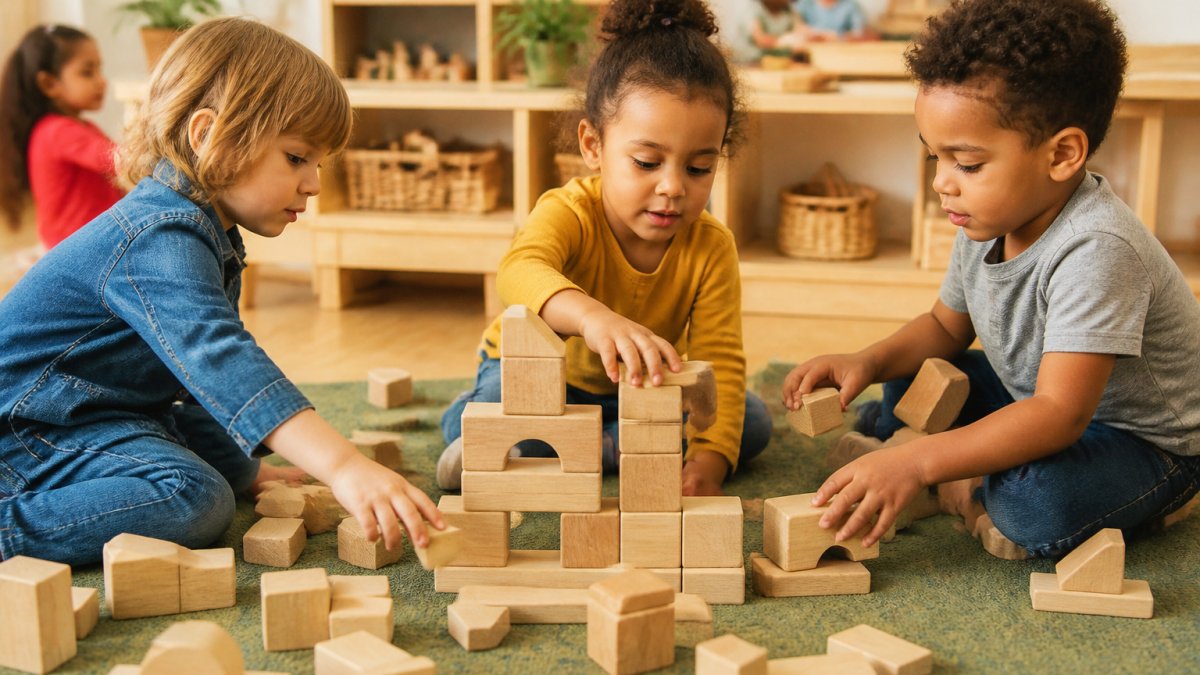
Around 18 to 24 months, toddlers start to engage in parallel play, playing near other children, though not yet with them.
Between 2 and 3 years, toddlers begin to understand turn-taking and simple social rules. They show interest in other children and may seek out playmates. Pretend play emerges, allowing them to explore emotions and social situations in safe ways.

During this stage, toddlers benefit from consistent routines and clear, simple boundaries. For more specific guidance on recognizing when development isn't on track, explore 10 signs of developmental delays in toddlers.
Preschool Years (3 to 5 Years): Building Friendships and Emotional Awareness
Preschoolers show dramatic growth in their ability to understand and express emotions. Between 3 and 4 years, children begin to recognize emotions in others, they can see that someone is sad or angry and respond appropriately.
By 4 to 5 years, preschoolers form genuine friendships based on shared interests, not just proximity. They understand that different situations call for different behaviors. They're developing a sense of fairness and may protest when rules seem unfair. Emotionally, they can talk about their feelings more accurately and understand that others have feelings too.
During the preschool years, children benefit from opportunities to practice social skills in structured settings. Group activities, cooperative games, and guided role-play help children learn conflict resolution, sharing, and empathy.
Preschoolers are also becoming more aware of social expectations. They may feel embarrassment, guilt, or pride, emotions that require understanding of how others perceive them.
If you're preparing your child for this transition, how to prepare your child for their first day of preschool offers practical strategies for easing the shift to a school environment where social skills become even more important.
School-Age Children (5 to 8 Years): Developing Empathy and Self-Regulation
School-age children experience significant growth in empathy and self-awareness. Between 5 and 6 years, children understand that people have different perspectives and feelings. They show genuine concern for others and may try to help friends who are upset. They're developing a more stable sense of self and can describe themselves using multiple characteristics.
By 6 to 7 years, children become more aware of social hierarchies and peer relationships. Friendships become more important, and children may worry about being accepted. They're developing a sense of fairness and may become upset when they perceive injustice. Self-regulation improves, they can follow multi-step instructions and manage frustration more effectively, though emotional outbursts still occur.
Between 7 and 8 years, children show more sophisticated understanding of emotions. They recognize that people can feel multiple emotions at once and that emotions can change. They develop stronger friendships based on shared interests and values. Many children this age begin to feel self-conscious and may worry about others' judgments. They're also developing a conscience and feel genuine remorse when they've hurt someone.
School-age children benefit from opportunities to develop leadership skills, pursue interests, and contribute to their community. Programs that include academic challenges, physical activity, and social interaction support healthy development. At Premier Kids Academy, our after-school programs combine tutoring with extracurricular activities like gymnastics and soccer, giving children chances to build confidence and friendships in supportive environments.
Recognizing Social-Emotional Developmental Delays
While children develop at different rates, certain patterns may signal that a child needs additional support. A child who shows little interest in other children, doesn't respond to their name, or rarely makes eye contact by 12 months may benefit from evaluation.
Preschoolers who struggle significantly with anger, show no interest in friendships, or don't respond to others' emotions may be experiencing developmental delays. School-age children who are isolated from peers, show extreme anxiety in social situations, or have difficulty understanding social rules might benefit from professional guidance.
It's important to remember that social-emotional development varies widely. Some children are naturally quieter or more cautious. However, if you notice your child is consistently different from peers in social engagement, emotional expression, or ability to manage feelings, talking with your pediatrician or a child psychologist is a good step.
Practical Ways to Support Social-Emotional Development
Supporting your child's social-emotional growth happens through everyday interactions and intentional practices. Start by naming emotions.
Model healthy emotional expression. Children learn by watching how adults handle stress, disappointment, and joy.
Create opportunities for social interaction. Playdates, group activities, and community programs give children practice with peers. At Premier Kids Academy, we intentionally structure activities that build social skills.
Practice problem-solving together. When conflicts arise, help your child think through solutions. "Your friend took the toy you wanted. What could you do?" This builds critical thinking and social skills.
Set clear, consistent boundaries. Children feel secure when they know what's expected. Consistent rules and routines help children develop self-regulation.
For families in Lyndhurst seeking structured support, explore our programs designed to develop each child's social-emotional skills through our exclusive collegiate-based curriculum and extracurricular activities.
Starting Your Child's Social-Emotional Journey at Premier Kids Academy
Understanding social emotional development milestones by age helps you recognize your child's progress and provide appropriate support at each stage. From infants learning to attach to caregivers through school-age children developing empathy and leadership, each phase builds on the last.
Premier Kids Academy recognizes that social-emotional development is foundational to academic success and life happiness. Our 5-star center combines a collegiate-based curriculum with advanced technology programs and extracurricular activities like gymnastics and soccer. We create a natural learning environment where each child develops at their own pace, building self-esteem and social skills alongside academics.
Our staff are trained and certified in child development, CPR, First Aid, and Communicable Diseases, ensuring your child learns in a safe, nurturing environment. We're committed to preparing children ages 3 weeks to 14 years for future success by supporting their unique interests and developmental needs.
Frequently Asked Questions
What are the main social emotional development milestones by age?
Social emotional development milestones by age follow predictable patterns. Infants develop trust and attachment (0-12 months). Toddlers begin recognizing emotions and asserting independence (1-3 years). Preschoolers develop friendships and start understanding others' feelings (3-5 years). School-age children build empathy, manage emotions better, and understand social rules (5-8 years). Each child progresses at their own pace, but these general markers help parents and educators track healthy development.
How can I support social-emotional development in infants?
Social-emotional development in infants thrives through consistent, responsive caregiving. Talk to your baby during daily routines, respond to their cries promptly, and maintain eye contact during feeding and play. Create a calm, predictable environment with regular sleep and feeding schedules. Use gentle touch, sing, and smile frequently. These interactions build secure attachment and help infants learn that their needs matter, forming the foundation for all future social and emotional growth.
What are signs of social-emotional developmental delays I should watch for?
Social-emotional developmental delays may include: extreme difficulty separating from caregivers past age 3, inability to recognize basic emotions by age 4, persistent aggression or extreme shyness beyond typical ranges, lack of interest in playing with other children by age 3, or difficulty following simple social rules by school age. If you notice these patterns, discuss them with your pediatrician. Early identification and support make a significant difference in helping children catch up and thrive.
Can children reach social emotional development milestones at different times?
Yes, children reach social emotional development milestones at different times within normal ranges. Some toddlers share toys and show empathy earlier, while others need more time. Temperament, family dynamics, and individual personality all influence timing. As long as your child shows gradual progress and falls within the broader developmental window, variation is normal. However, if your child seems significantly behind peers or shows no progress over several months, consult your pediatrician or a child development specialist.
How does social-emotional development differ from academic development?
Social-emotional development focuses on emotions, relationships, and self-awareness, how children understand and manage feelings, interact with others, and build confidence. Academic development covers learning skills like reading, math, and problem-solving. Both are essential. A child might excel academically but struggle with friendships, or vice versa. High-quality early childhood programs, like those at Premier Kids Academy, integrate both, recognizing that emotional security and positive relationships actually support better learning and long-term success.
What role does play have in social-emotional development?
Play is fundamental to social-emotional development. Through play, children practice emotions, solve problems, cooperate, and learn to handle conflict. Pretend play helps them understand different perspectives and feelings. Group play teaches sharing, turn-taking, and friendship skills. Physical play builds confidence and releases stress. Free play, guided activities, and structured games all contribute. Children who play regularly develop stronger emotional regulation, better social skills, and greater resilience, skills that support success in school and relationships.
The social-emotional foundation you build now shapes who your child becomes. At Premier Kids Academy in Lyndhurst, we partner with families to support this critical development through intentional programming, trained educators, and a commitment to each child's individual growth. Apply now to learn how our programs support your child's social-emotional journey.
Apply Now
Add premierkidsacademy.org as a preferred source on Google →
Comments